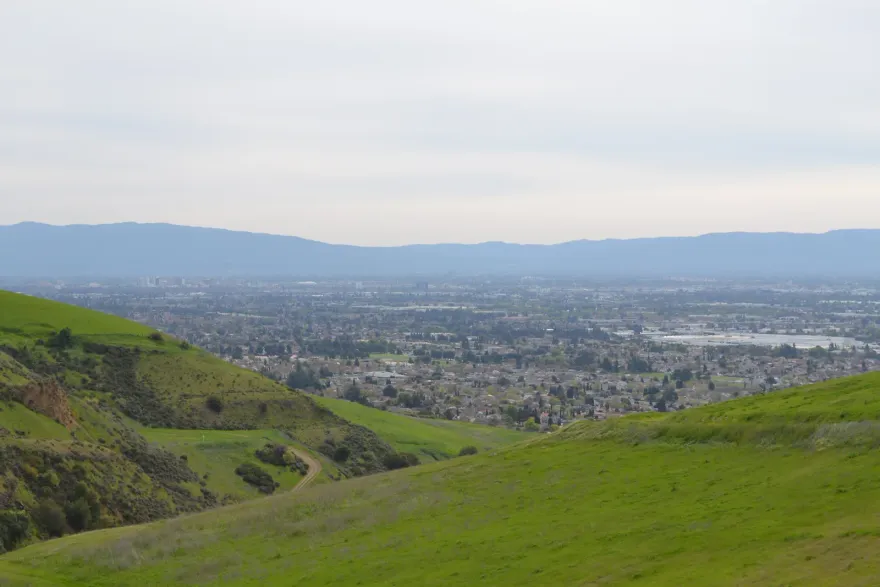
Castro Street
Downtown's main block of restaurants, cafes, and independent shops, centered on the Caltrain station.

Castro Street, Caltrain, and a residential rhythm shaped by the tech anchors that surround it.
Mountain View is built around two intersecting axes: Castro Street running south from the Caltrain station as the cultural and dining heart, and Shoreline Boulevard running north to the bay-front Shoreline business park where Google's main campus sits. Between the two, you have a tight, compact city that punches above its size in both ambition and price.
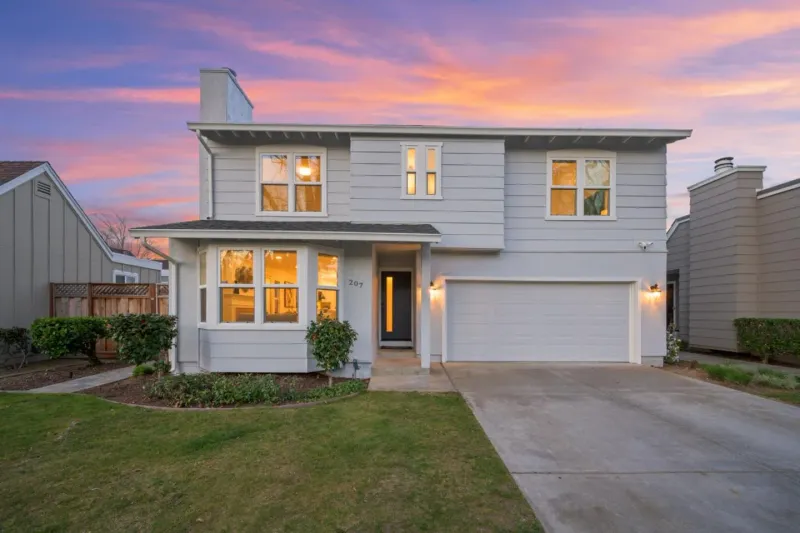
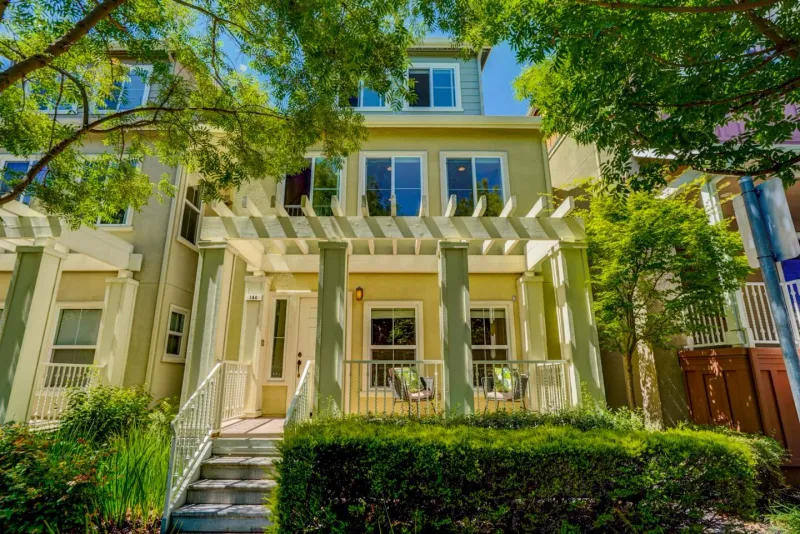
The residential mix is varied. Old Mountain View near Castro is small-lot Victorian and craftsman bungalows; the western district toward Los Altos is postwar ranch on bigger lots; the eastern district toward Sunnyvale is mid-century tract; and the Shoreline / North Bayshore area is increasingly the densest townhome and mid-rise housing in the valley.
Caltrain at the heart of downtown, plus the Stevens Creek Trail running from the bay-edge through town to Cupertino, make Mountain View one of the most transit-and-trail-connected cities on the peninsula side of the valley.
Downtown's main block of restaurants, cafes, and independent shops, centered on the Caltrain station.
Seven hundred fifty acres of bay-front park including Shoreline Lake, the Amphitheater concert venue, and a long Bay Trail segment.
Major museum tracing the history of computing on Shoreline Boulevard near the Google campus.
Paved bay-to-foothills trail running through Mountain View toward Sunnyvale and Cupertino.
The 1867 Victorian on the Shoreline park grounds, the oldest house in the city.
Downtown live-performance venue adjacent to the central library.
Mountain View prices like Cupertino at the top of the range, with the Old Mountain View neighborhood and the Cuesta Park area both regularly setting new comp benchmarks. Townhomes and condos in the North Bayshore and downtown corridors trade with their own pricing logic, shaped more by absorption rates in new construction than by single-family comps.
The biggest pricing lever here is the small-lot-vs-large-lot decision. The same number of bedrooms can mean a $700K spread depending on lot size, orientation, and remodel quality. The buyer pool understands this; pricing strategies that gloss over the distinction get punished.
For sellers, the right marketing reach extends well beyond Mountain View. Your buyer is cross-shopping Sunnyvale, Cupertino, and Palo Alto routinely. The launch needs to assume the cross-city comparison and lead with what makes this particular home stand out within a much larger shopping radius.
Mountain View is a seller's market right now. Homes are moving fast, a median of 12 days on market, selling at 105.0% of asking, with 67% closing above list price. The median sale price is -3.7% year over year.
Source: Redfin Data Center (public market data), trailing 90-day figures as of Jun 2, 2026. Market data is informational and not a valuation of any specific property.
The same figures above, plus the six-month price trend, in a clean branded one-page PDF to save or share. Refreshed weekly as the market moves. No cost, just your email.
“I worked with Vladimir to purchase my first home, and it was a great experience.”Kirill · Redwood City · first home
Your email sends the report and the occasional market update. Never shared, unsubscribe anytime.
Yes. Mountain View is part of my core Bay Area service area, and I represent both buyers and sellers here regularly, on the open market and off-market.
Mountain View is a seller's market right now. Homes are moving fast, a median of 12 days on market, selling at 105.0% of asking, with 67% closing above list price. The median sale price is -3.7% year over year.
Call or text me and I will give you a straight read on the specific property, the street, and current conditions, buyer side or seller side. No obligation.
I represent buyers and sellers in Mountain Viewregularly. Tell me what you’re weighing and I’ll give you a real read on your specific situation, no obligation.
“Selling a home can be overwhelming, but working with Vladimir made the entire process smooth, stress-free, and incredibly successful.”Geta R.